Beyond the decisive moment
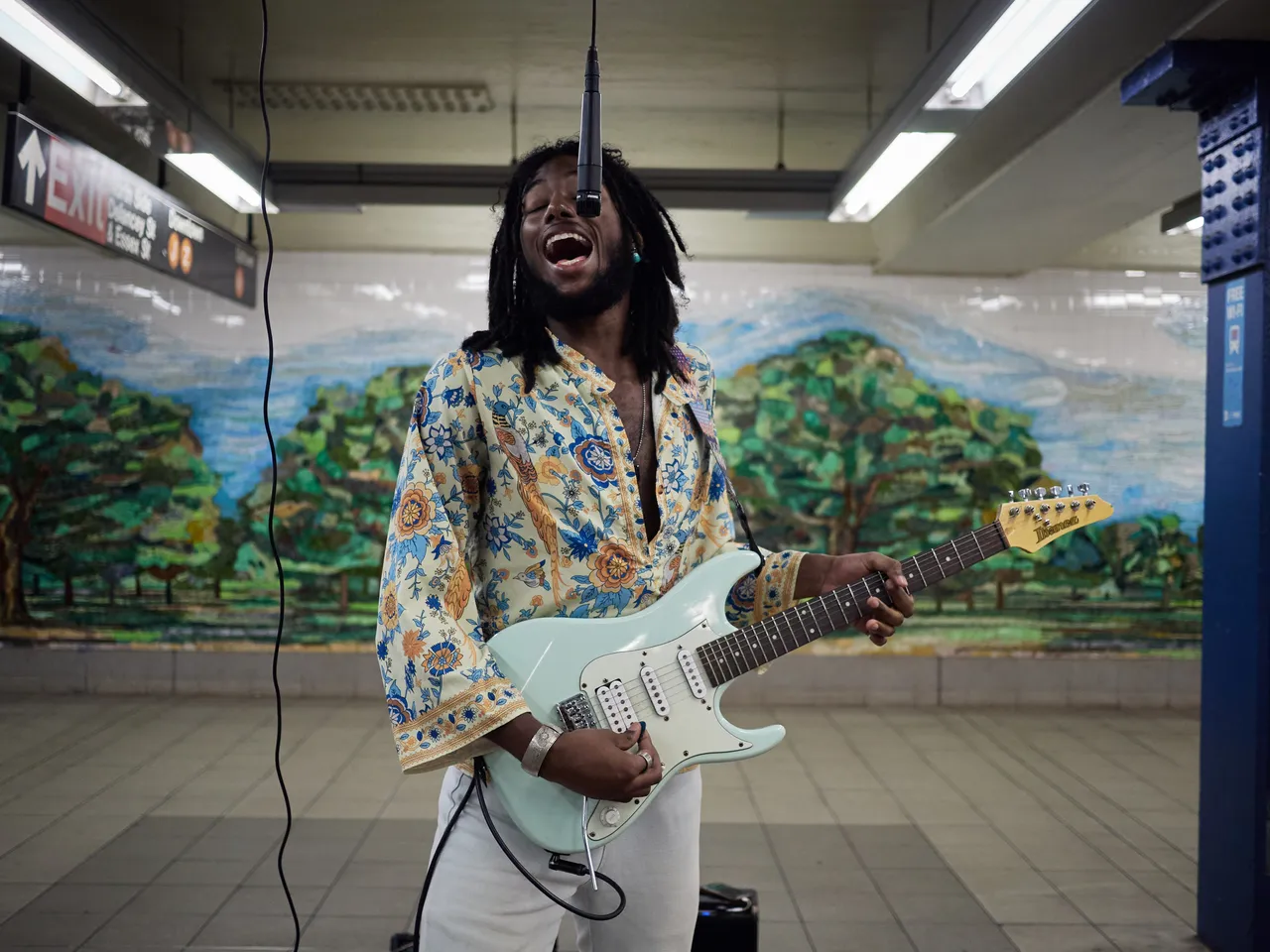
A man stands beneath fluorescent lights in a New York subway station. His eyes are closed. One hand grips an electric guitar. A microphone hangs in front of his face. Behind him, a tiled mural depicts trees and open sky, transforming part of the station wall into an imagined landscape.
The photograph feels strangely calm.
Nothing dramatic appears to be happening. There is no visible audience. No obvious climax. No split second gesture that changes the meaning of the scene. The musician is singing, but the photograph does not feel as though it has captured the peak of a performance. Instead, it feels as though the camera has entered something already underway.
This matters because photography has often celebrated a particular idea of significance. We are taught to look for the decisive moment, the instant when form, timing, and action align to create meaning. The decisive moment has shaped how generations of photographers think about their work. It has influenced what gets photographed, what gets exhibited, and what enters photography's history.
Yet the musician in the subway station raises a different possibility. What if some photographs are not about moments at all? What if they are about presence?
The problem with looking only for events
Photography's history is often told through events.
Wars, elections, protests, sporting victories, and public celebrations dominate many accounts of the medium. These photographs matter. They help us understand how societies change and how history unfolds. They remind us that photography can witness moments that would otherwise disappear.
The problem begins when events become photography's primary measure of significance.
Most lives are not lived through decisive moments. Most lives unfold through repetition. People travel to work, gather with friends, attend church, raise families, create art, share meals, and move through familiar spaces. Communities are sustained through these repeated experiences. Culture is built through them. Memory accumulates through them.
Yet these moments rarely occupy a central place within photography's canon.
The result is a distorted understanding of both photography and life itself. We learn to recognise the photograph of the event while overlooking the photographs that reveal how people actually live.
What Roy DeCarava saw
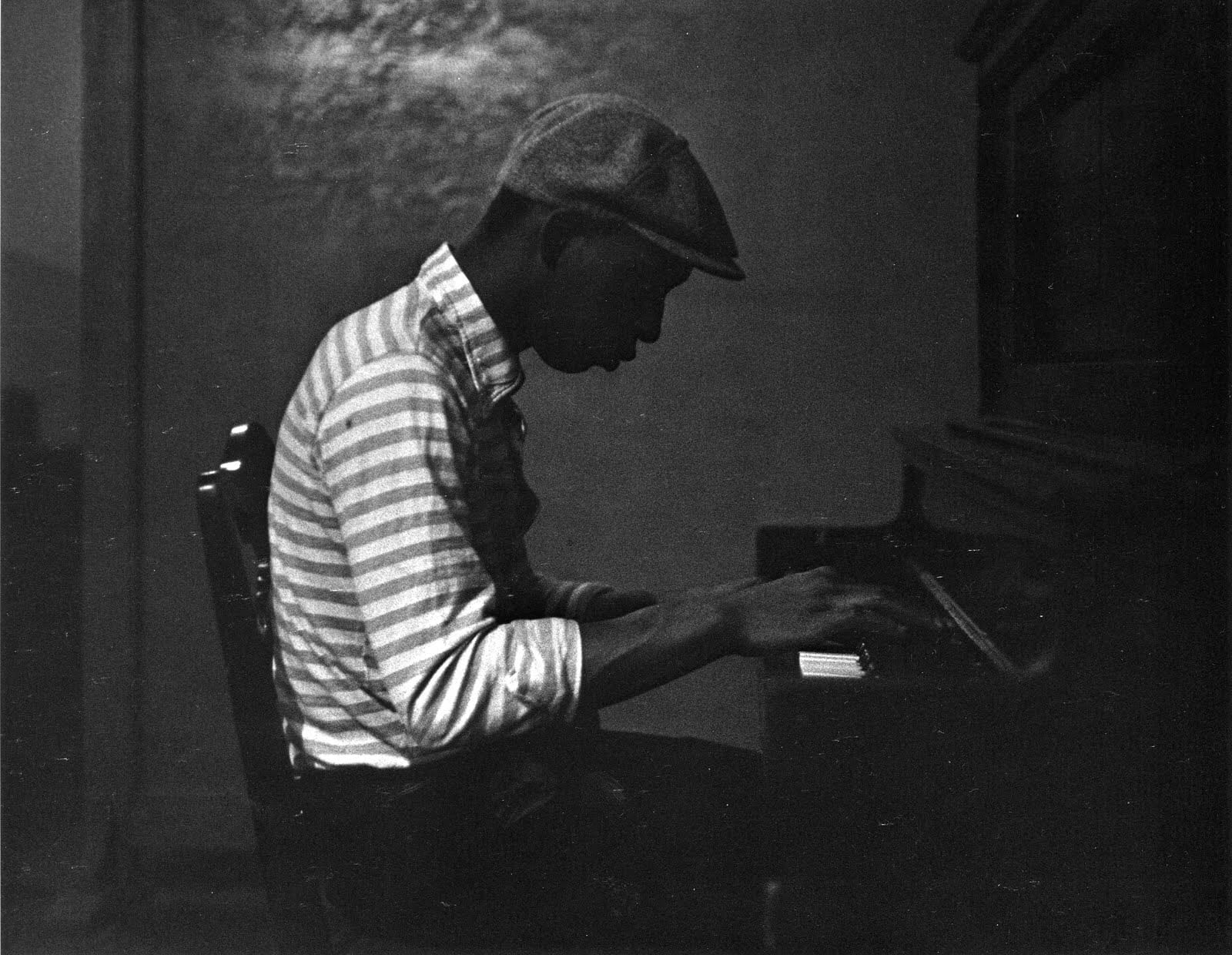
Roy DeCarava spent much of his career challenging this imbalance.
His photographs repeatedly returned to musicians, families, neighbours, children, and everyday life in Harlem. Looking at his work, one notices how little depends on dramatic action. People wait. They listen. They walk. They talk. They sit together. They occupy the world.
At first, these photographs can seem quiet.
The longer one spends with them, the more they reveal. DeCarava understood that significance does not arrive only through events. It also exists in atmosphere, relationships, memory, and presence. His photographs suggest that understanding a community requires more than documenting what happens to people. It requires paying attention to how people live.
This was not simply a different choice of subject matter. It was a different understanding of photography.
DeCarava expanded the medium by insisting that everyday Black life was not separate from history. It was one of the places where history was being made.
A photograph of belonging
Returning to the subway musician, the photograph begins to feel less like a record of a performance and more like a record of belonging.
The station is designed for movement. People pass through it on their way somewhere else. Yet the musician has transformed part of that space into something different. The microphone, guitar, and mural create a temporary stage. For a brief period, the station becomes a place of expression, creativity, and connection.
Nothing about this transformation is extraordinary. That is precisely why it matters.
Many of the most important aspects of community life occur in moments like this. They emerge in public spaces, neighbourhoods, churches, homes, barbershops, parks, and street corners. They are repeated so often that they can become invisible. People learn to walk past them without noticing.
Black photographers have long understood the significance of these spaces. Their photographs repeatedly return to the places where culture is created, relationships are sustained, and identity is lived rather than declared. In doing so, they remind us that everyday life is not the background to history.
It is one of history's primary subjects.
Expanding photography's story
The photograph of the musician does not challenge the idea of the decisive moment because decisive moments are unimportant.
It challenges the assumption that they are enough.
Photography cannot fully understand itself through events alone. It must also account for duration, repetition, memory, and presence. It must account for the lives that unfold between the moments that attract public attention.
This is one of the most important contributions Black photographers have made to the medium. They expanded photography's story by directing attention towards forms of life that photography often treated as peripheral. They showed that meaning exists not only in dramatic events but also in ordinary acts of creation, gathering, worship, celebration, and care.
The result is a richer understanding of both photography and the communities it seeks to represent.
What remains
The photograph cannot preserve the song the musician was singing. It cannot reproduce the sounds echoing through the station or tell us whether anyone stopped to listen. It cannot explain what happened when the performance ended.
What it preserves is something quieter. It preserves the fact that this moment existed.
It preserves a person creating music in a public space. It preserves a way of inhabiting the city. It preserves a small act of cultural expression that might otherwise have disappeared without trace.
The photograph asks us to consider a possibility that Black photographers have been exploring for generations.
Perhaps photography's purpose is not only to record the moments that change history. Perhaps it is also to preserve the lives through which history is lived.


