A Different Picture of Black Britain
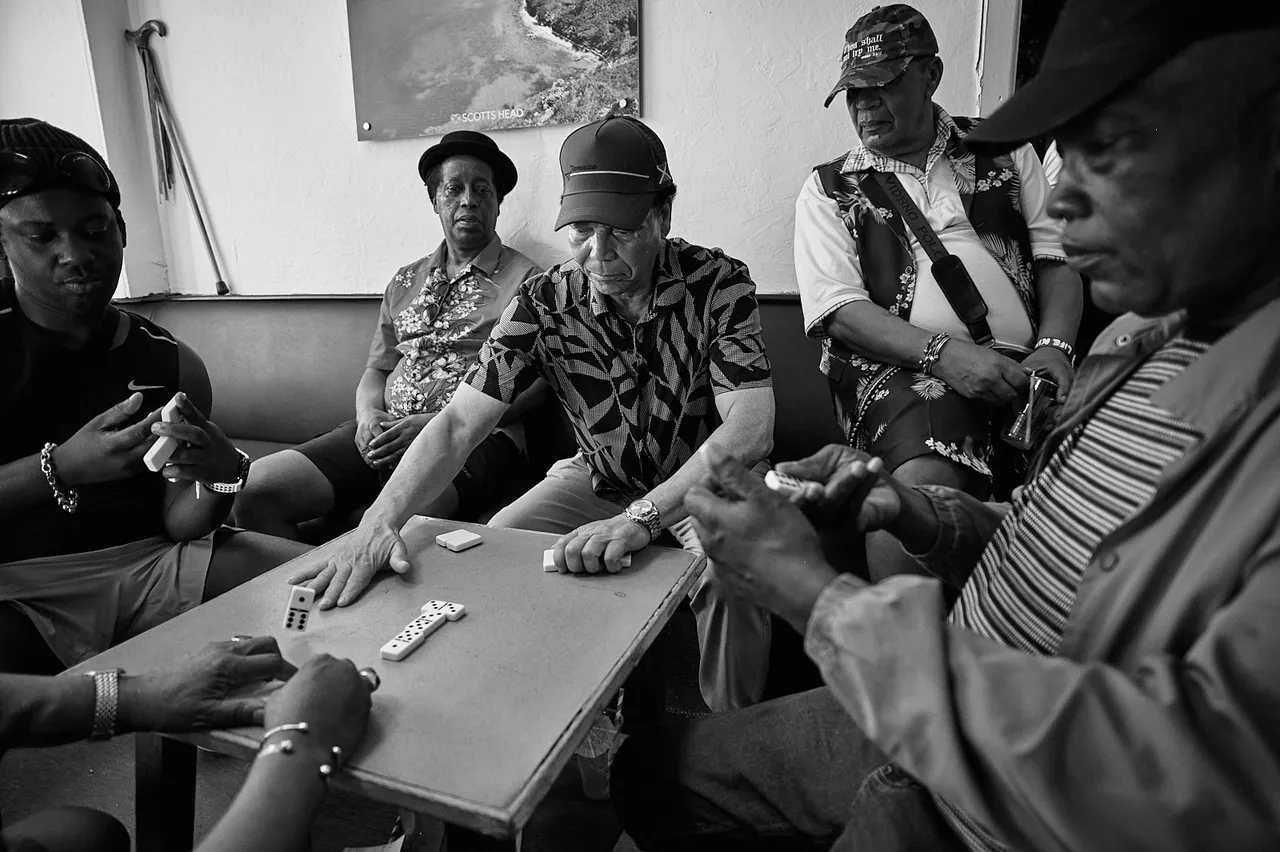
Open the Bumpkin Files archive and one thing becomes immediately apparent. Nobody looks as though they are trying to make history. There are family gatherings, school portraits, birthday parties and children standing proudly beside bicycles. Parents smile into cameras in front gardens. Relatives gather around tables. The photographs possess the familiar texture of family albums everywhere.
Yet taken together, they expose a striking absence in Britain's visual culture.
For decades, Black Britain has largely been pictured through cities. The visual canon of Black British photography is filled with images from Brixton, Handsworth, Tottenham and Moss Side. These places deserve their place in history. Photographers such as Vanley Burke spent decades documenting communities that were often ignored by mainstream institutions, creating some of the most important visual records of postwar Black Britain.
But every canon creates blind spots. The more Black Britain becomes associated with a handful of urban centres, the easier it becomes to overlook the Black lives unfolding elsewhere.
The Communities Beyond the Frame
That realisation sits at the heart of Bumpkin Files, the archive founded by photographer and creative director Karis Beaumont. Raised in Hertfordshire, Beaumont became increasingly aware that the Black communities she knew rarely appeared in wider cultural conversations. Speaking to Creative Lives in Progress, she described Bumpkin Files as an archive, historical resource and visual project exploring Black British experiences beyond London and beyond the communities that are often misrepresented.
The project emerged from Beaumont's own experience of growing up outside the places that dominate Britain's cultural imagination. While Black British identity is often discussed through the lens of major cities, she recognised that many people shared a different experience, one shaped by life in small towns, villages and suburban communities.
The result is an archive that asks a deceptively simple question: what happens when entire communities are left out of the national picture?
Why Ordinary Photographs Matter
The strength of Bumpkin Files lies in its refusal to chase spectacle. Many contemporary projects concerned with representation seek out the exceptional or the dramatic. Bumpkin Files does the opposite. Its photographs linger on everyday moments: family barbecues, school uniforms, wedding receptions, birthday celebrations and living rooms.
Nothing dramatic is happening. Yet the cumulative effect is quietly radical.
These images challenge a persistent assumption that Black British life is primarily urban. They reveal communities rooted in villages, market towns, suburbs and rural spaces that rarely appear in discussions about race, migration and belonging. The archive is at its most compelling when viewed collectively. One family photograph can feel anecdotal, but hundreds of them begin to function as evidence. Together they reveal a Black Britain that has always been more geographically diverse than many cultural narratives allow.
Challenging the Geography of Recognition
What makes Bumpkin Files particularly significant is that it is not simply documenting overlooked communities. It is questioning the geography through which Black Britain is understood.
That concern emerges repeatedly in Beaumont's own reflections. In interviews, she has spoken about the difficulties of building a creative career outside London, from expensive travel costs to limited access to professional networks. At the same time, she has consistently pushed back against the assumption that talent exists only where opportunity is concentrated.
"There’s so many talented creative people who reside in other cities, smaller towns and villages," she told Creative Lives in Progress.
The same observation could be applied to history itself. If institutions, archives and media organisations continue looking in the same places, they inevitably produce the same stories. Communities that exist beyond those centres are not absent from history. They are simply overlooked.
Expanding the National Story
Bumpkin Files offers an alternative approach. Rather than beginning with institutions, it begins with families. Rather than focusing on exceptional moments, it preserves ordinary ones. And rather than treating Black Britain as a story concentrated in a few postcodes, it presents it as something broader, more dispersed and ultimately more representative of the country itself.
At a time when questions of identity, belonging and national history continue to shape public debate, that intervention feels particularly significant. The archive does not challenge the importance of Brixton, Handsworth or Tottenham. Instead, it asks what happens when we expand the map.
The answer, suggested by the growing collection of photographs assembled by Bumpkin Files, is that Black Britain becomes larger, more varied and more complex than the version that has often dominated the public imagination. The project's greatest achievement is not simply that it preserves photographs. It is that it encourages us to look again at a country we thought we already knew.
Bumpkin Files invites us to look beyond the familiar geography of Black Britain. Explore the archive and discover photographs, memories and histories from communities that have too often been overlooked.


