Books allies can read. Part One, examining how you look
Before you think about how to photograph Black people, think about how you have learned to see them. These books invite you to examine the assumptions, histories and ideas you bring to the frame.

Before thinking about how to photograph Black people, it is worth thinking about how you have learned to see them. That sounds obvious. It isn't.
Photography does not begin with the camera. It begins with everything we have already learned about people, places, bodies, history and difference. Some of that knowledge comes from experience. Much of it comes from culture, education, media and the stories we inherit without necessarily noticing that we have inherited them.
This is the first of a two-part reading list for allies. These books are not a syllabus for understanding Black people, and they will not give you a correct way to look. What they can do is make familiar ways of seeing less comfortable. They can help you examine ideas about race, power, history, identity and belonging before those ideas enter the frame.
The second part turns specifically towards photography and visual culture. For now, the work is closer to home: the person doing the looking.
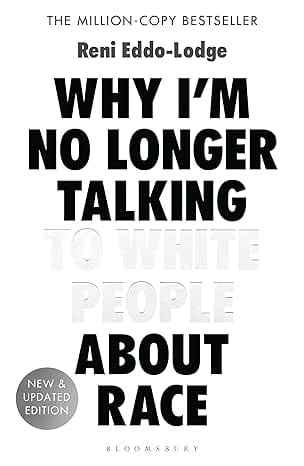
1. Reni Eddo-Lodge - Why I'm No Longer Talking to White People About Race
ISBN: 978-1408870587
Eddo-Lodge examines race and racism in Britain through history, politics and lived experience, challenging the idea that racism can be understood simply through individual prejudice.
For anyone photographing or writing about Black Britain, that distinction matters. A photographer does not enter a neutral world. History is already present in the places, people and subjects being photographed.
This book is a useful starting point for understanding some of the structures that shape what we see before we ever raise a camera..
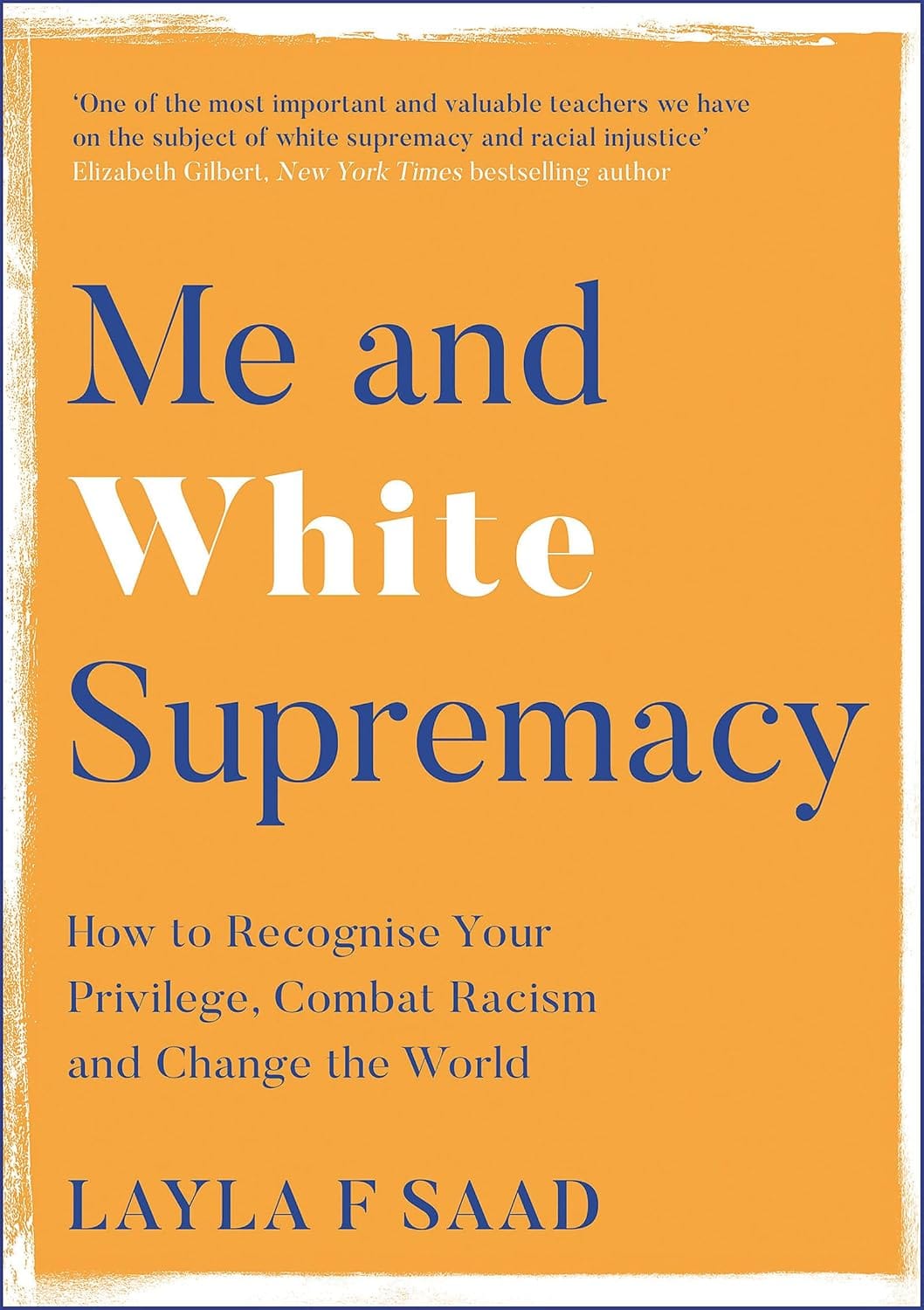
2. Layla F. Saad - Me and White Supremacy
ISBN: 978-1728209807
Saad turns attention towards the individual and asks readers to examine how they participate in systems of racial inequality, often through behaviours that can feel ordinary or invisible.
That makes this particularly useful preparation for thinking about photography. Looking is not something that happens independently of the person looking. Our assumptions, habits and positions influence what we notice and what we overlook.
The uncomfortable question is not only what other people are doing. It is what you might be bringing with you.
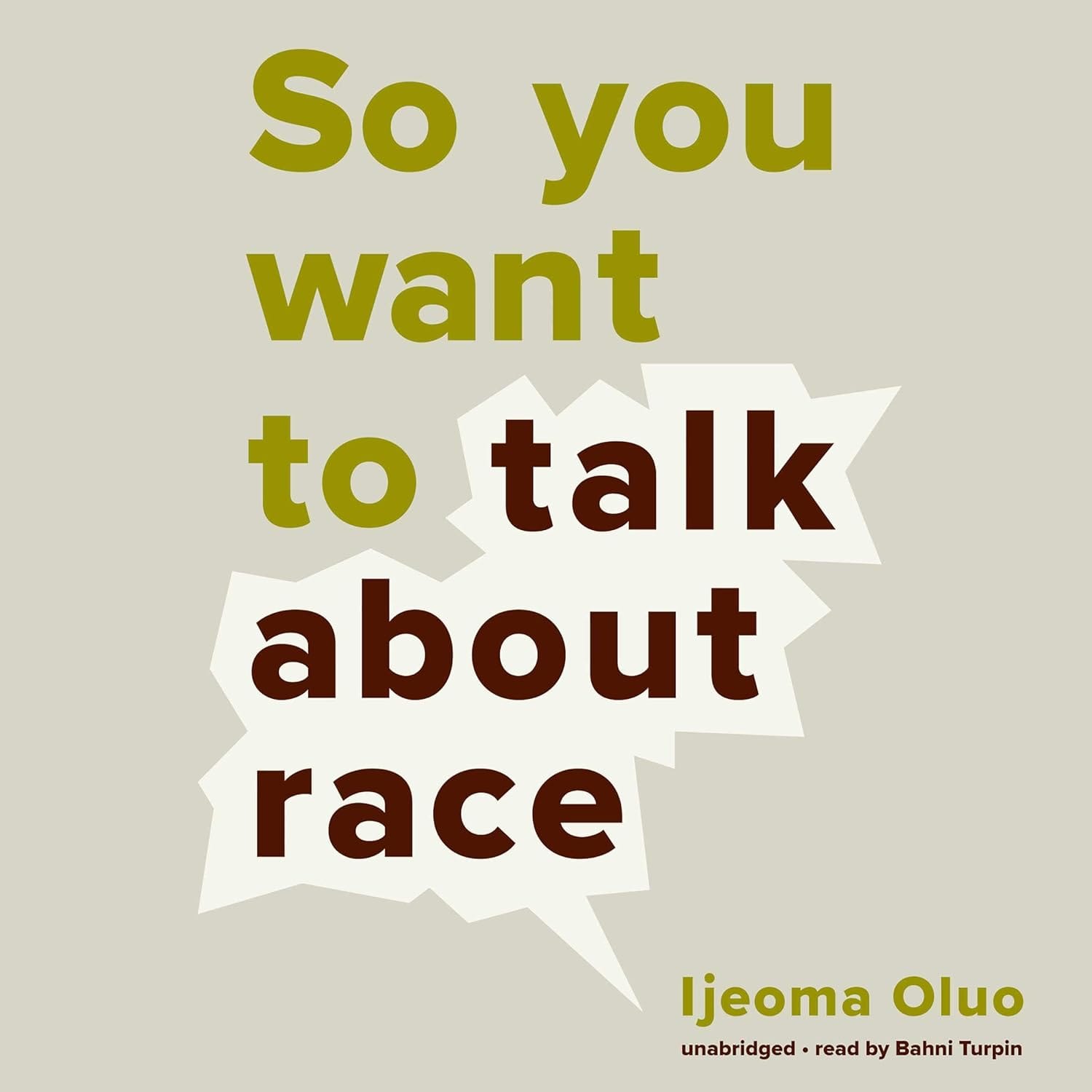
3. Ijeoma Oluo - So You Want to Talk About Race
ISBN: 978-1580058827
Oluo offers a direct introduction to conversations around race, privilege, inequality and power, giving readers language for subjects that are often difficult to discuss.
Language matters because what we cannot name can be difficult to examine. Photography often appears to communicate without words, but the meanings we attach to photographs are shaped by the ideas we already have.
This book helps establish some of the vocabulary needed to question those ideas.
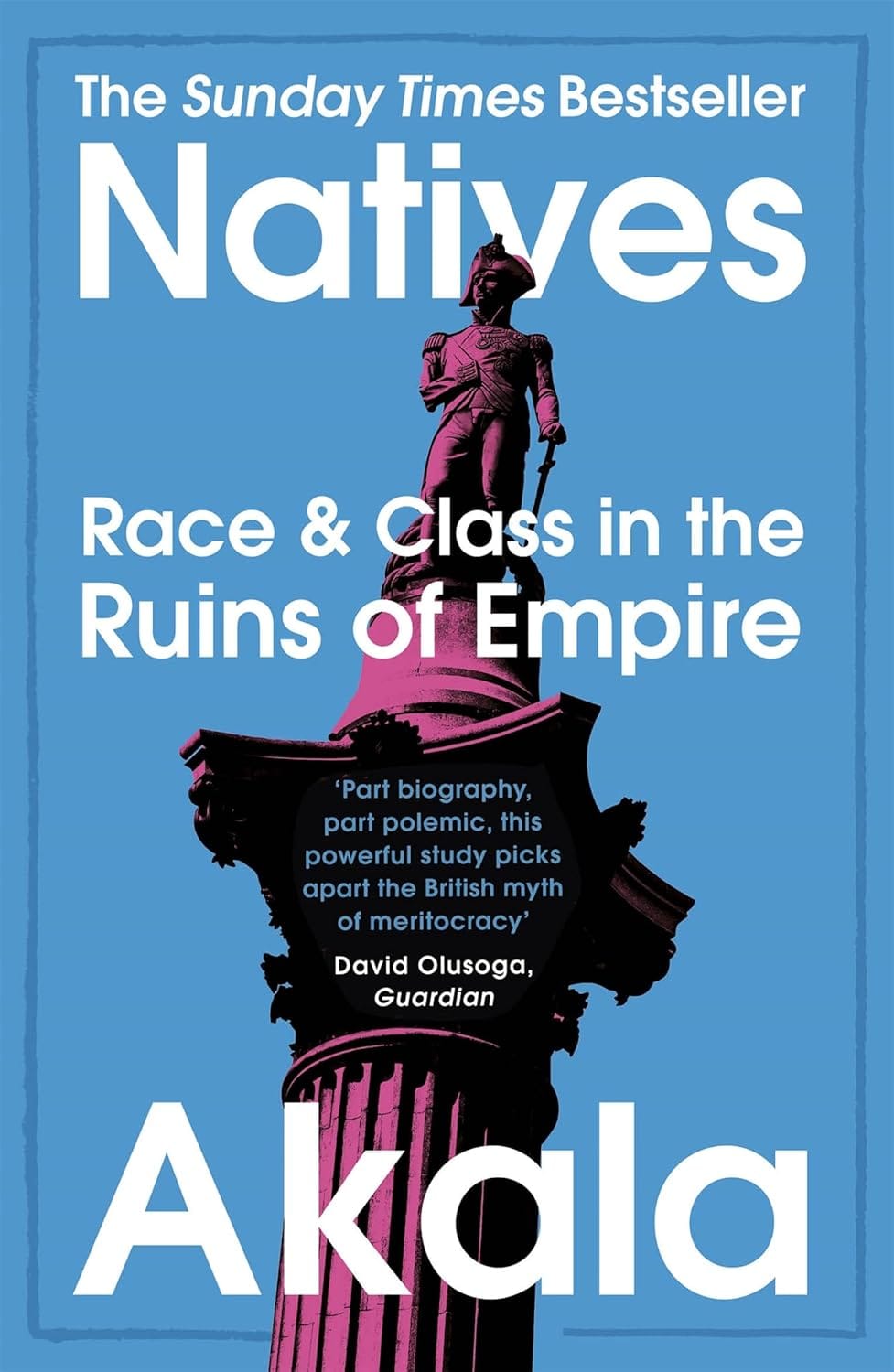
4. Akala - Natives: Race and Class in the Ruins of Empire
ISBN: 978-1473661233
Akala brings memoir, history, race and class together to examine Black British experience and the legacies of empire.
It is particularly valuable for anyone whose understanding of Britain has been shaped by simplified accounts of race, migration and belonging. The book reminds us that identity is never produced in isolation. It is shaped by history, geography, class and the stories a society tells about itself.
Those histories follow people into photographs too.
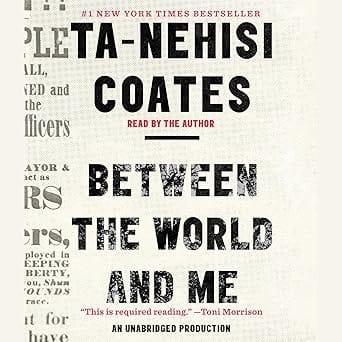
5. Ta-Nehisi Coates - Between the World and Me
ISBN: 978-0812993547
Written as a letter to his son, Coates reflects on race, history, fear, beauty and the experience of living in a Black body in America.
What makes the book useful here is its insistence on the difference between knowing about an experience and living it. A photographer can research a subject extensively and still encounter forms of knowledge that cannot be acquired from a distance.
That does not make understanding impossible. It makes humility necessary.
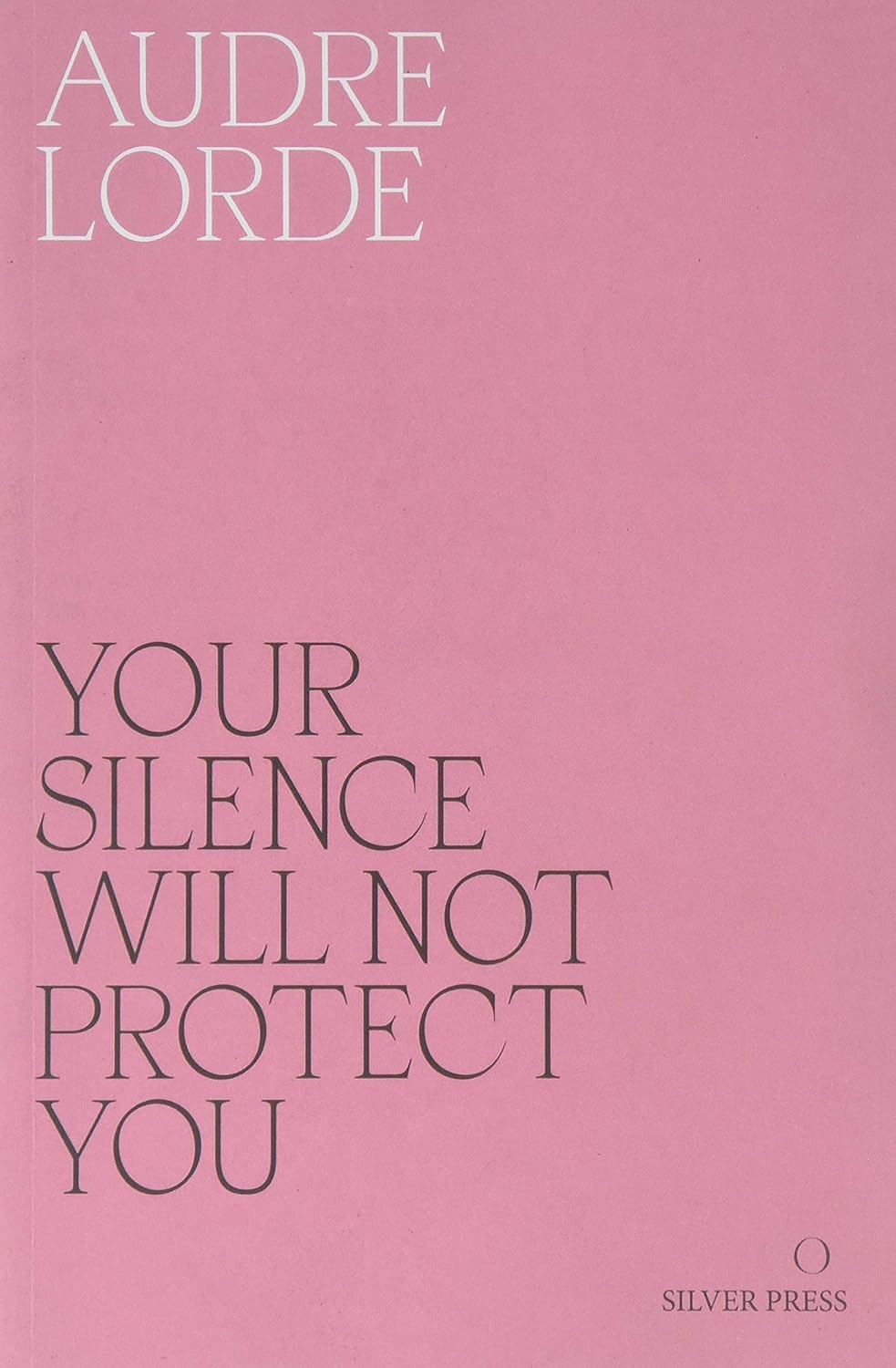
8. Audre Lorde - Your Silence Will Not Protect You
ISBN: 978-0995716223
Lorde's essays, speeches and poems repeatedly challenge silence, complacency and the assumption that simply observing injustice is enough.
For photographers, that raises a question about the difference between witnessing and participating. The camera can place someone close to an experience while still keeping them at a distance from its meaning.
Lorde asks us to think about what we do with what we see.
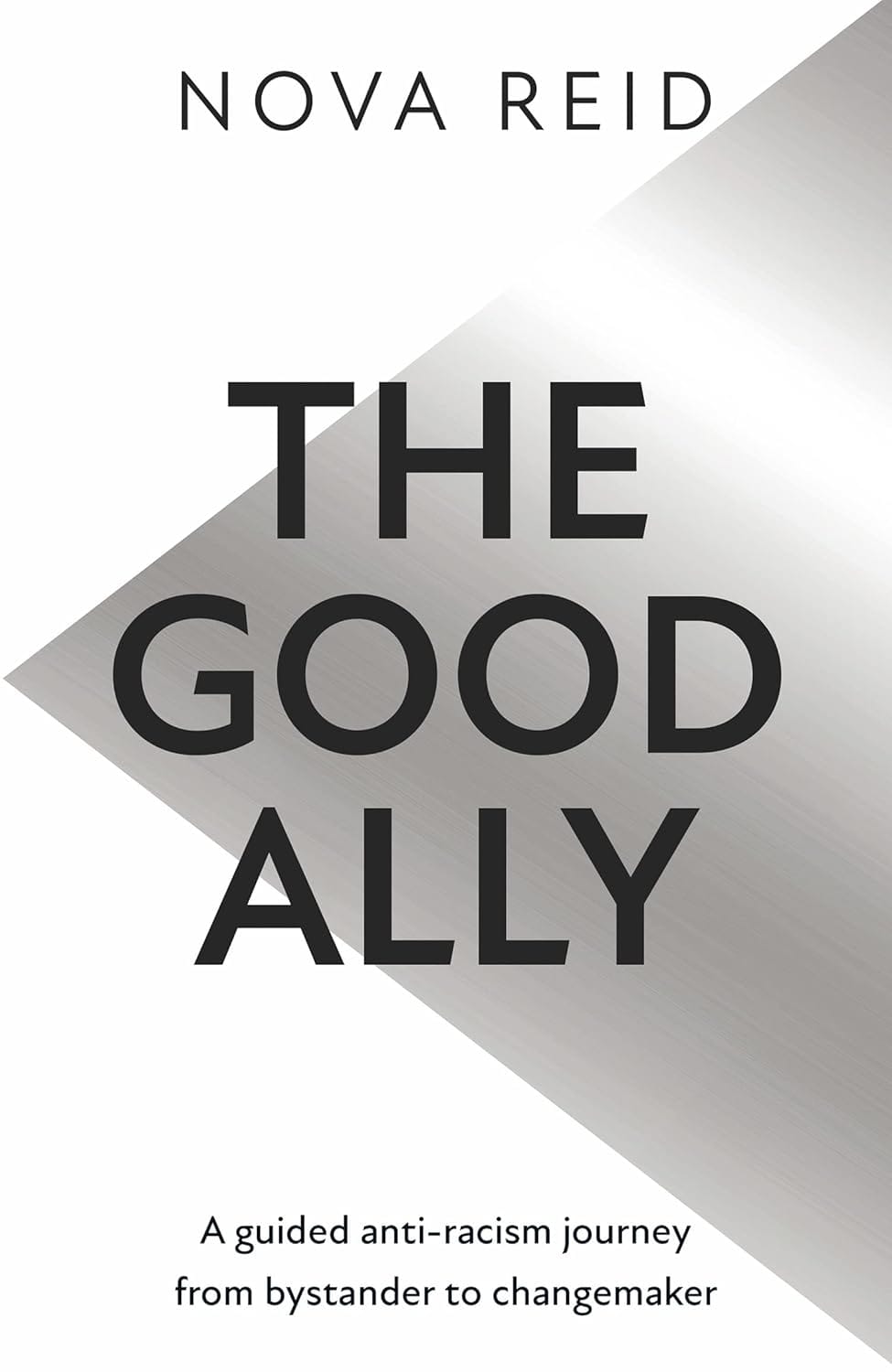
6. Nova Reid - The Good Ally
ISBN: 978-0008439521
Reid moves the conversation from awareness towards action, examining what meaningful allyship requires beyond good intentions.
That distinction matters because photography is full of good intentions. A photographer can believe they are documenting, raising awareness or giving visibility while reproducing assumptions they have never examined.
These books will not tell you how to photograph Black people. There is no book that can do that, and perhaps there shouldn't be.
Read them instead as an invitation to examine the person behind the camera.
What have you been taught to notice? What have you been taught to overlook? Which histories feel familiar to you, and which have remained outside your field of vision? What assumptions do you carry into a room before you raise a camera?
Those questions matter because photography does not begin with the shutter. By the time the camera appears, much of the looking has already happened.
Part One asks you to examine what you bring to the world. Part Two asks what happens when you bring those assumptions to photography.
Read slowly. Look again.
Next: Books allies can read: Part Two Photography and the Power of the Visual
